
LITANIES
(Prayerful Repetition)
Litanies one of the Church’s most ancient and beloved forms of prayer, rooted in Scripture and Tradition. A litany is a rhythmic dialogue with God: a series of short invocations answered by a steady, repeated response. Through this simple yet heartfelt pattern, the soul is drawn into deeper humility, trust, and communion.
From the earliest days of Christianity, the faithful have used litanies to call upon the Holy Trinity, the Blessed Virgin Mary, the angels, and the saints, placing every need, every joy, and every sorrow before the throne of grace.
In this page we have gathers litanies both ancient and new, offering them as a resource for prayer, study, and reflection. The first six are drawn from the Church’s liturgical tradition; others are devotional compositions inspired by that tradition. All share the same purpose: to lead the us into deeper communion with God through rhythmic supplication.
Here you will find litanies that honor Christ in His mysteries, litany that invoke the Blessed Virgin under her many titles, litanies that call upon the saints, and litanies that express particular devotions. Each litany presents itself as an invitation: an invitation to pray, to meditate, and to allow the rhythm of invocation and response to shape your spiritual life.
Whether you seek the majestic Litany of the Saints for solemn occasions, the tender Litany of the Holy Name of Jesus for daily devotion, or a special litany for healing, peace, or protection, each one offers a ready path to prayer.
LITANY
BIBICAL LITANIES
The litany style of prayer has biblical parallels, even though formal “litanies” as we know them developed later in Christian Tradition.
Biblical Comparisons to Litanies
Psalm 136 (The Great Hallel)
This psalm repeats the refrain “for his love endures forever” after each verse. The structure of repeated invocation and response is very similar to our litanies.
Psalm 118
Contains repeated cries like “His mercy endures forever” and “Save us, we pray, O Lord”, echoing the call-and-response rhythm.
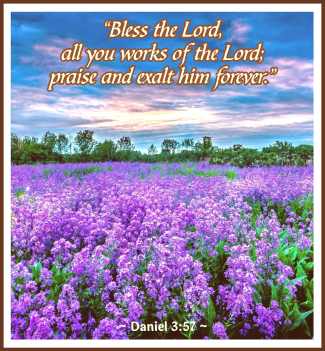
Daniel 3:57–88 (Song of the Three Young Men)
Each verse calls on a part of creation to “Bless the Lord…” followed by the repeated response “praise and exalt him forever.” This is essentially a litany of praise.
New Testament echoes
In Revelation, heavenly worship is described with repeated acclamations like “Holy, holy, holy is the Lord God Almighty” (Revelation 4:8), which mirrors the litany style of repetition and communal response.
The biblical texts show that repetition in prayer is not vain babbling (which Jesus warns against in Matthew 6:7), but rather a structured, meditative rhythm that reinforces devotion and communal participation. Litanies carry forward this biblical pattern into Christian liturgical practice.