
WHAT IS KERYGMA?
(SIMPLIFIED)
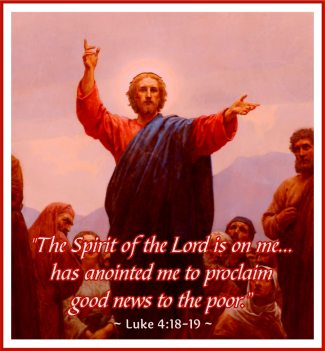
The “kerygma” (from the Greek κήρυγμα, meaning “proclamation” or “heralding,” derived from the verb “kerysso” (κηρύσσω, “to proclaim as a herald”) refers to the first announcement of the Gospel—the simple, essential, and joyful but core message of salvation through Jesus Christ.
It is the fundamental proclamation of the Paschal Mystery (Christ’s life, death, resurrection, and ascension) that invites a personal encounter with the living Lord and calls for conversion.
Unlike deeper doctrinal instruction (didache or catechesis), the kerygma is the “first announcement” aimed at awakening faith in those who have not yet encountered Christ or need to rediscover Him.
St. Peter’s Pentecost sermon in Acts 2:14-41 (proclaims the fulfillment of Old Testament prophesy, Jesus as the crucified and the risen Messiah, the call to repentance and baptism).
St. Paul’s summary in 1Corinthians 15:3-5: “…what I received I passed on to you as of first importance: that Christ died for our sins according to the Scriptures, that he was buried, that he was raised on the third day according to the Scriptures,and that he appeared to Cephas, and then to the Twelve.”
This proclamation is Holy Spirit-empowered and demands a response: repentance, faith, baptism, and new life in Christ.
The kerygma often summarized in a simple, four-part story of salvation (popularized in resources like Fr. John Riccardo’s Rescued ):
- Created: God made us out of love in His image.
- Captured: Sin (original and personal) separates us from God and destroys us.
- Rescued: Jesus Christ, the Son of God, became incarnate, lived among us, died for our sins, and rose victorious—defeating sin and death.
- Response: We are invited to repent, believe the Gospel, be baptized, receive the Holy Spirit, abide in Christ and the Church, and go make disciples.
Pope Francis distills it powerfully “On the lips of the catechist the first proclamation must ring out over and over: ‘Jesus Christ loves you; he gave his life to save you; and now he is living at your side every day to enlighten, strengthen and free you.’” (Evangelii Gaudium, 2013: §164)
He stresses that the kerygma is Trinitarian (the Spirit leads us to the Son who reveals the Father’s mercy) and must remain central—not just once at the beginning, but “the principal proclamation” repeated “again and again in different ways” throughout all formation.
Pope St. John Paul II (in Redemptoris Missio, 1990, and Catechesi Tradendae) called it the “initial ardent proclamation” and the “permanent priority of mission.” It introduces people to the mystery of God’s love in Christ and is the origin of faith and ecclesial life. All missionary activity directs toward this proclamation.
Pope Francis made it the heartbeat of the New Evangelization. In Evangelii Gaudium, he declares it “the center of all evangelizing activity and all efforts at Church renewal.” It is not replaced by deeper teaching; rather, “all Christian formation consists of entering more deeply into the kerygma.” It must be marked by joy, freedom, encouragement, and God’s saving love preceding moral demands.
Practical Role Today
In Catholic practice, the kerygma is not reserved for non-believers; it renews the baptized too. It fuels:
- Homilies
- Catechesis
- Youth ministry
- The Eucharist (as source and summit)
- Everyday witness
Its goal is conversion—an overwhelming encounter with the living Christ that produces joy, freedom, and missionary zeal.
As Pope Francis teaches, the kerygma responds to the deepest human longing for infinite love and meaning.
In short, the Catholic theology of kerygma is that the Good News is not a set of rules or ideas—it is a Person: Jesus Christ, who loves us, saves us, and walks with us. Proclaiming this with clarity, joy, and the power of the Holy Spirit is the Church’s first and ongoing task. All other teaching, sacraments, and moral living flow from and deepen this central proclamation.
SEND A COMMENT
Links to our Massage Box
DOWNLOAD AS PDF
Printable version of this Page